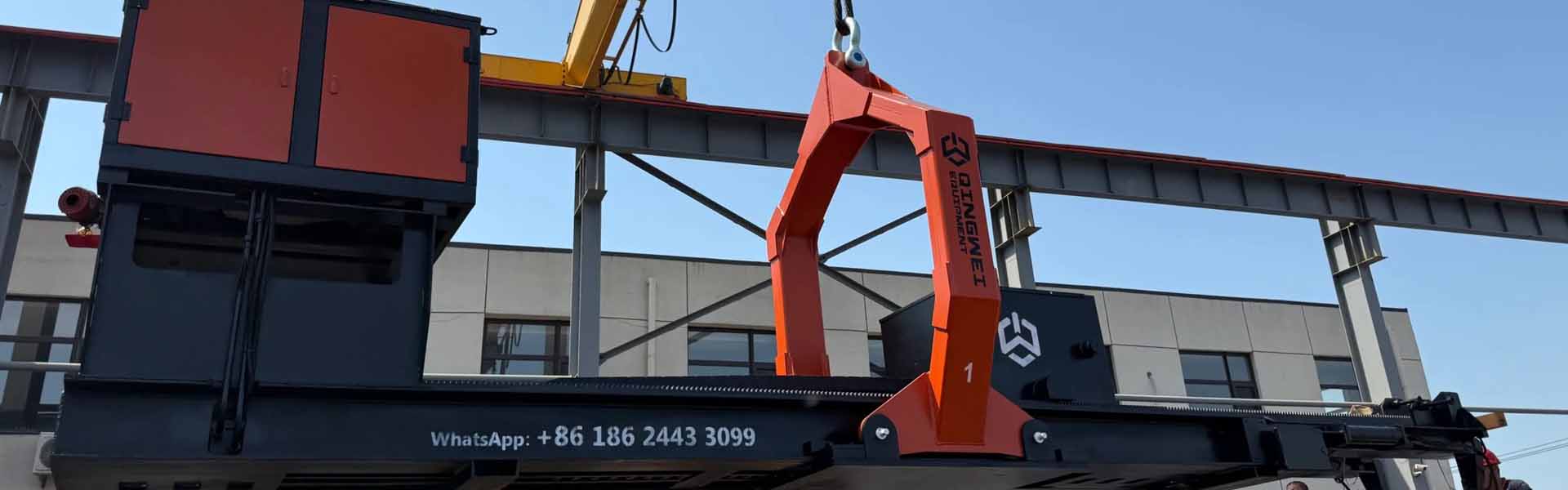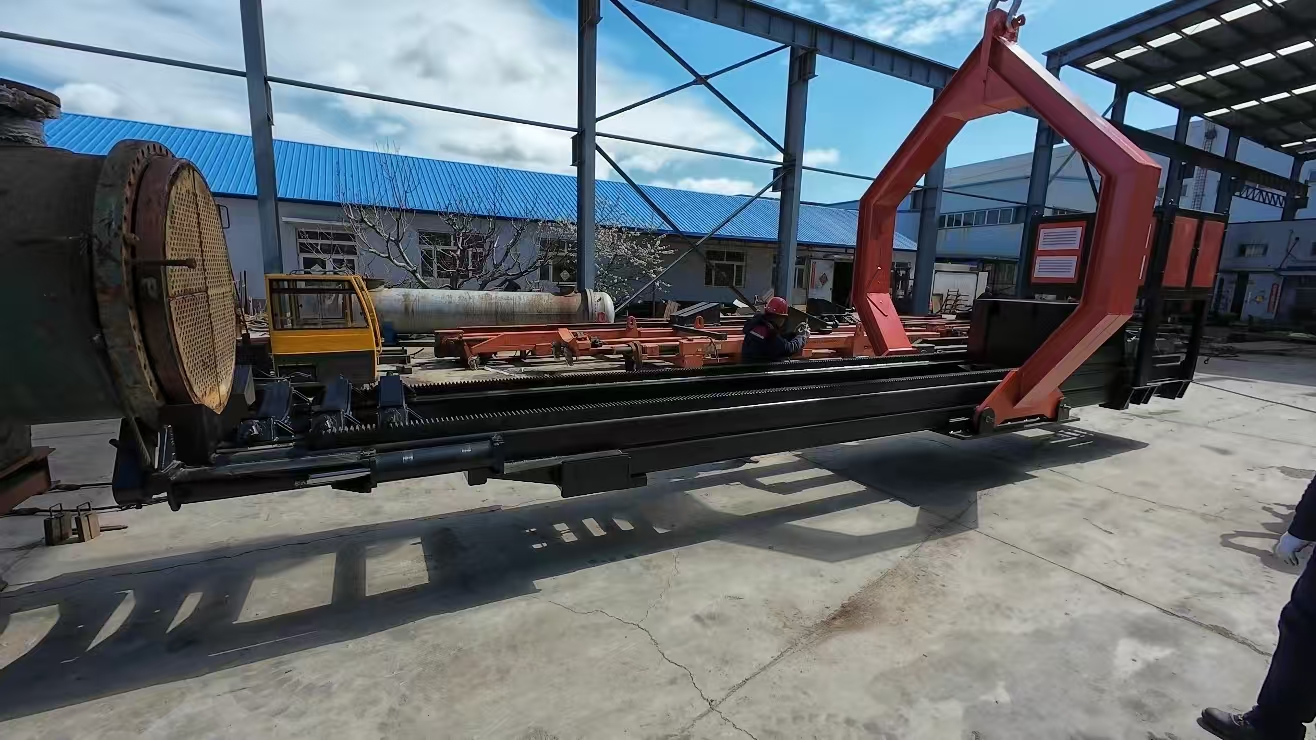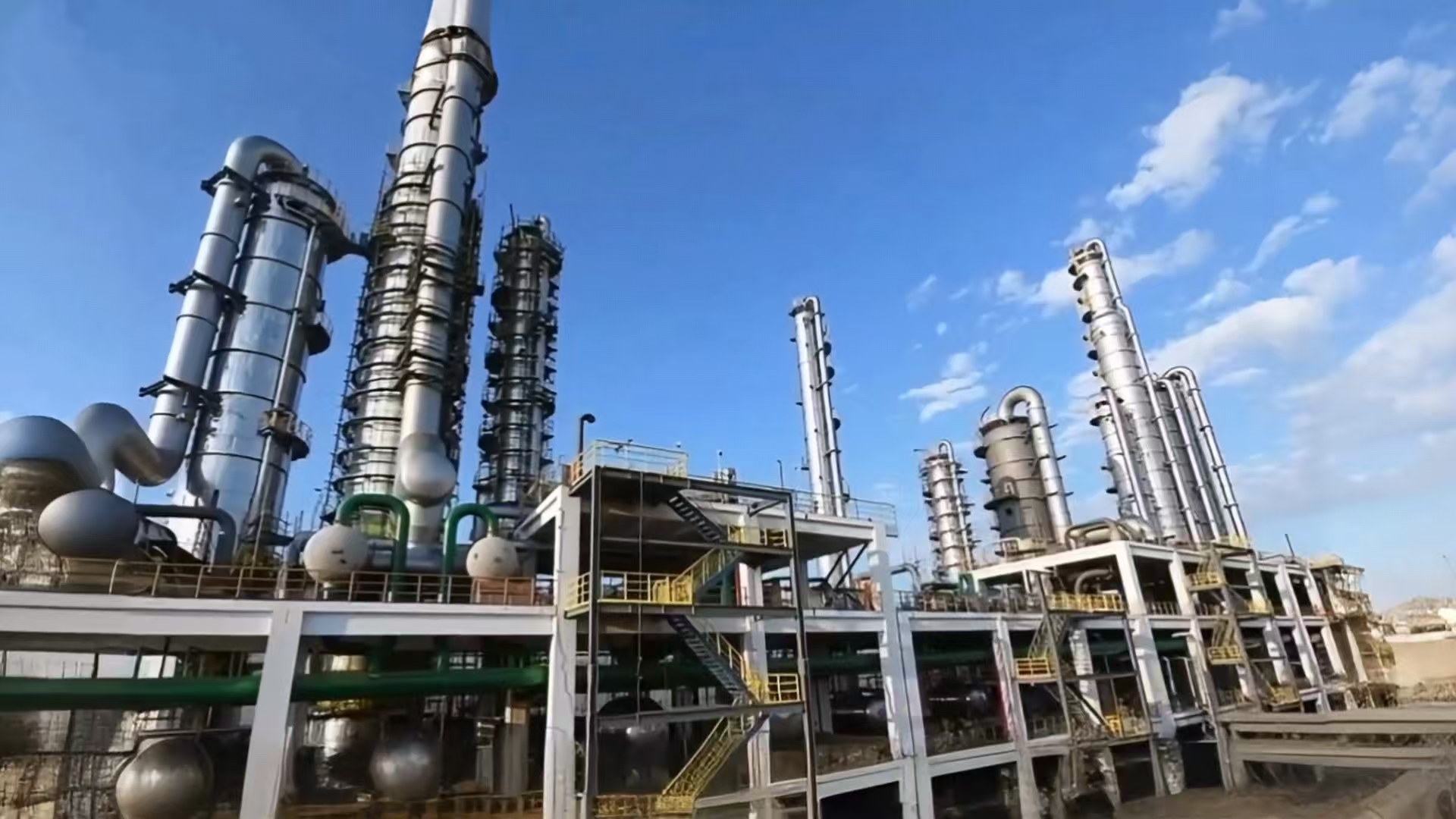
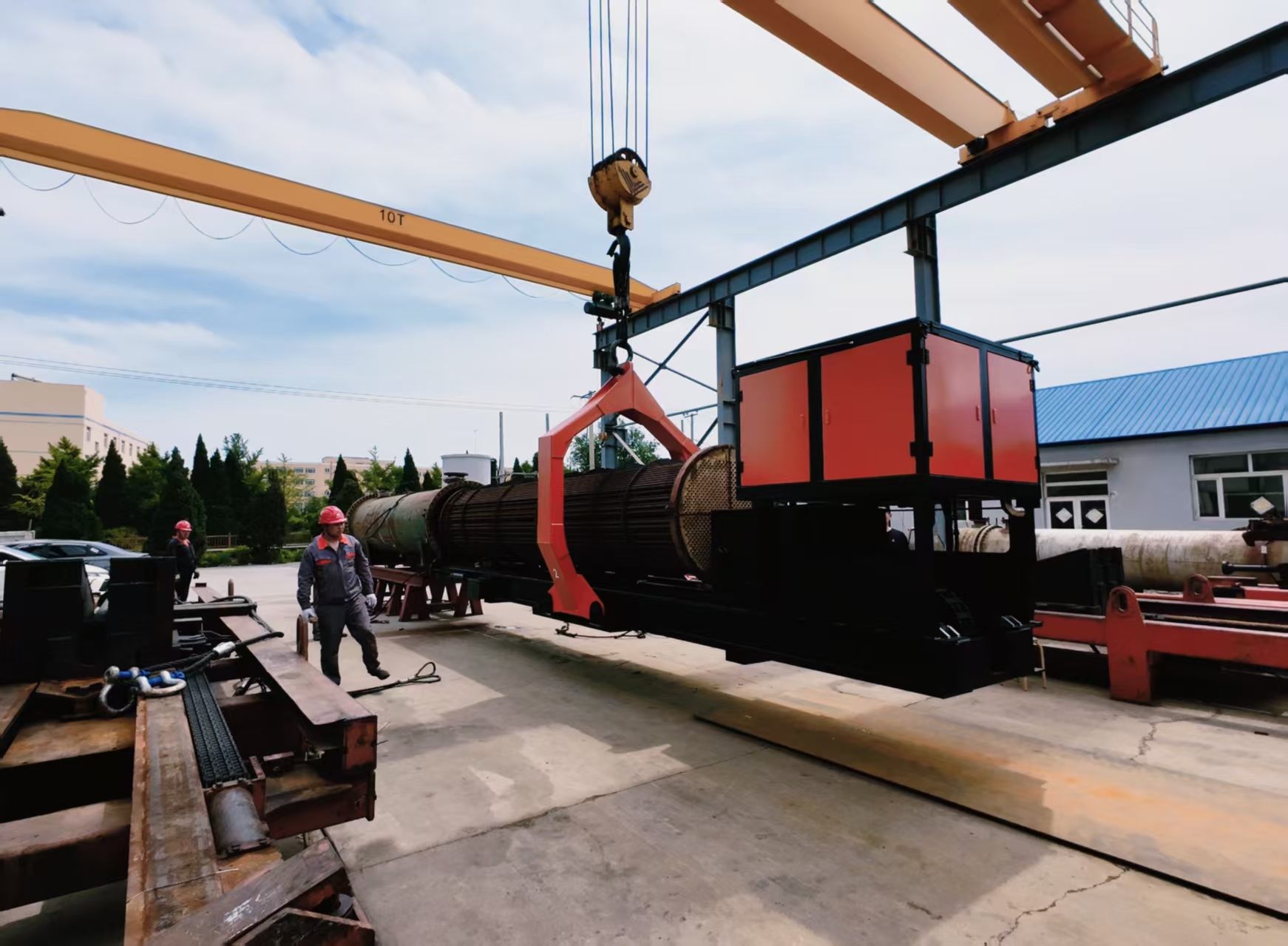
For refinery and petrochemical turnarounds, a Tube Bundle Extractor (Bundle Puller) is essential to safely and efficiently pull out or push in exchanger bundles. This article focuses on the diesel-driven model, using factory operation footage to explain its workflow, key advantages, pricing factors, selection checklist, and buying recommendations—so you can optimize safety, uptime, and cost.
1) What is a diesel tube bundle extractor?
Powered by a diesel HPU, the machine performs clamping, pulling/pushing, traveling, and braking. Compared with electric units, diesel models deliver better mobility and lower dependency on site power, ideal for outdoor yards and constrained utility areas.
Typical cycle: lifting/positioning → centering & clamping → extract/push → travel/transfer → unclamp & reset → safety checks.
2) Key advantages (as seen in operation)
Reliability: optimized hydraulics and control logic with soft start/stop, overload/limit protection, and E-stop.
Efficiency: adequate pulling force and steady travel speed reduce outage time and crane occupancy.
Versatility: covers 10–115-ton classes, compatible with 6–12 m bundles (up to 15 m in certain cases).
Ease of use & service: wired/wireless remote, multi-step speed; accessible components for maintenance.
Cost performance: robust structure and long service intervals lower total cost of ownership (TCO).
3) Pricing factors
Pulling capacity (tonnage)
Bundle length/diameter and structural enhancements
Controls & safety options (wireless remote, soft start/stop, dual limits, lights, cameras, alarms)
Customization (rails, clamps, coatings, low-temp kits)
Delivery scope (spare kits, training, on-site commissioning, warranty length)
Tip: lock down the load, length, and diameter plus site constraints before requesting quotes—avoid under/over-spec.
4) Selection checklist (send these to get a fast quote)
Bundle load (with safety factor)
Bundle length and diameter
Site access & surface, available lifting capacity
Desired cycle speed and control mode (wired/wireless)
Safety/compliance needs (Ex areas, low temp, corrosion, etc.)
5) Operation & safety notes
Ensure proper alignment and clamping; never stand in the line of force.
Keep motions smooth; stop and troubleshoot if overload, skew, or jamming occurs.
Inspect clamp wear, oil temperature/level, and hose fittings; follow the maintenance schedule.
Formalize training and checklists for operators, signalers, and riggers.
6) Use cases
Turnarounds (T/A) in refineries and chemical plants—diesel power eases temporary power constraints.
Maintenance contractors frequently moving across sites—general-purpose tonnage + expandable clamps cover more jobs.
7) Procurement & delivery flow
Share data → model proposal (lead time + spares) → quotation & PO → manufacturing & FAT → delivery & training → after-sales.
8) Contact (CTA)
WhatsApp/Phone: +86 186 2443 3099
Email: info@qingweiequipment.com