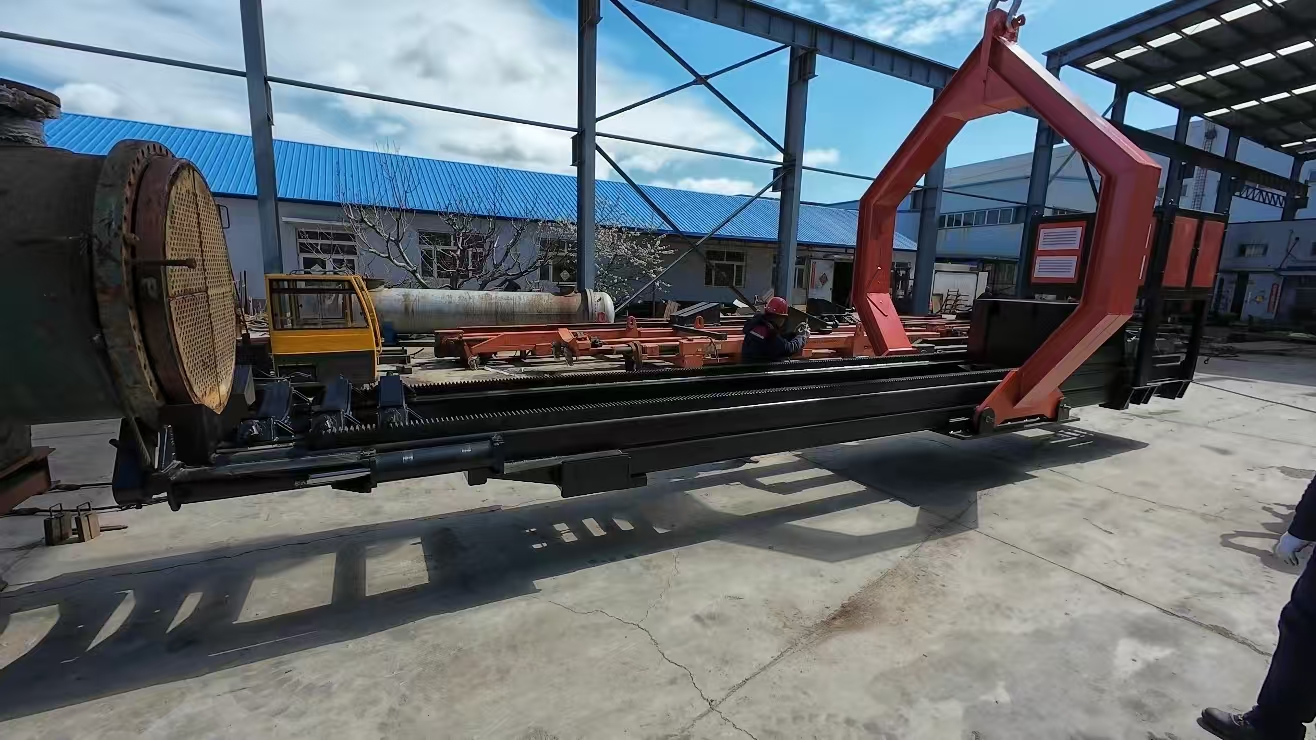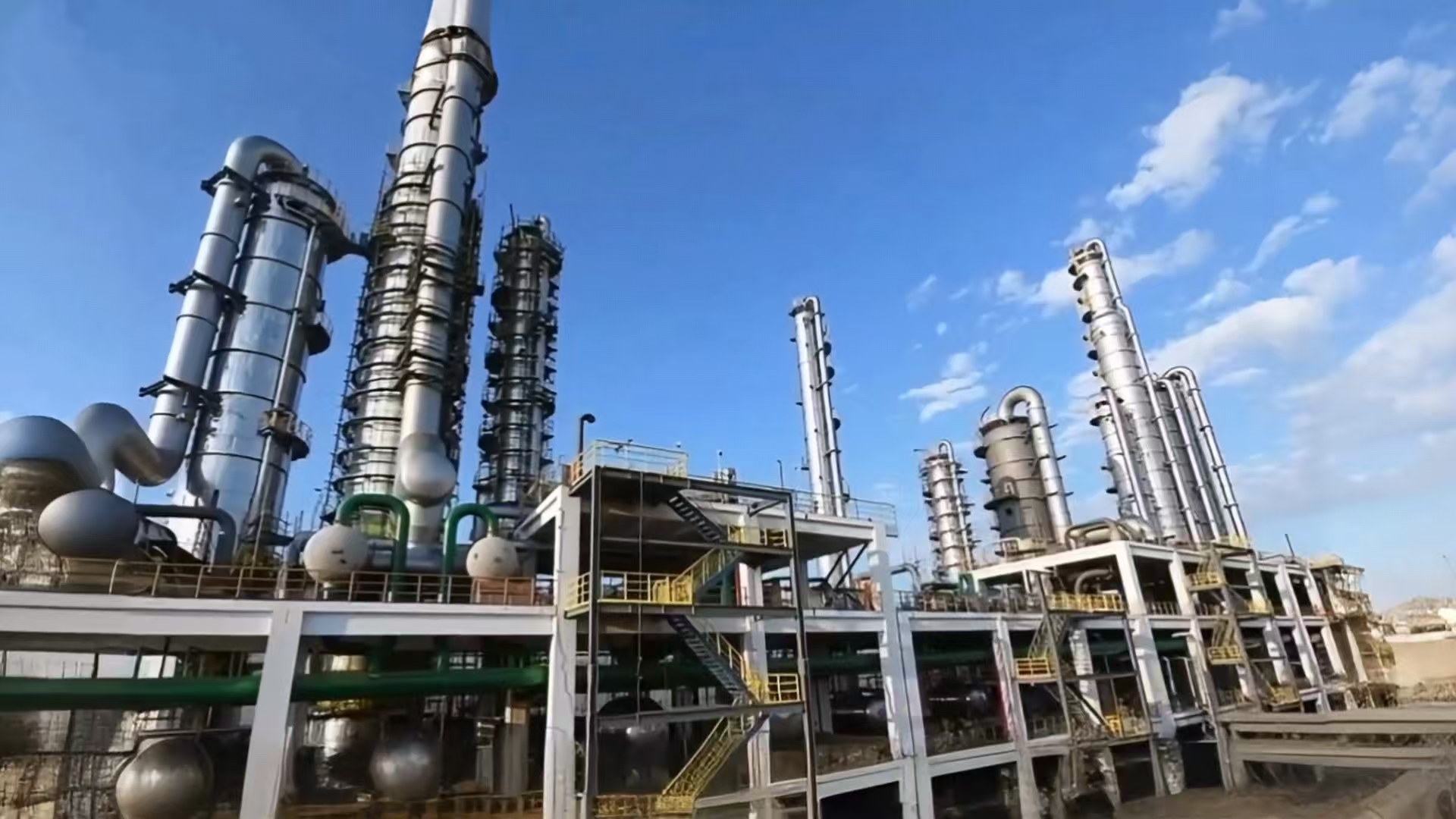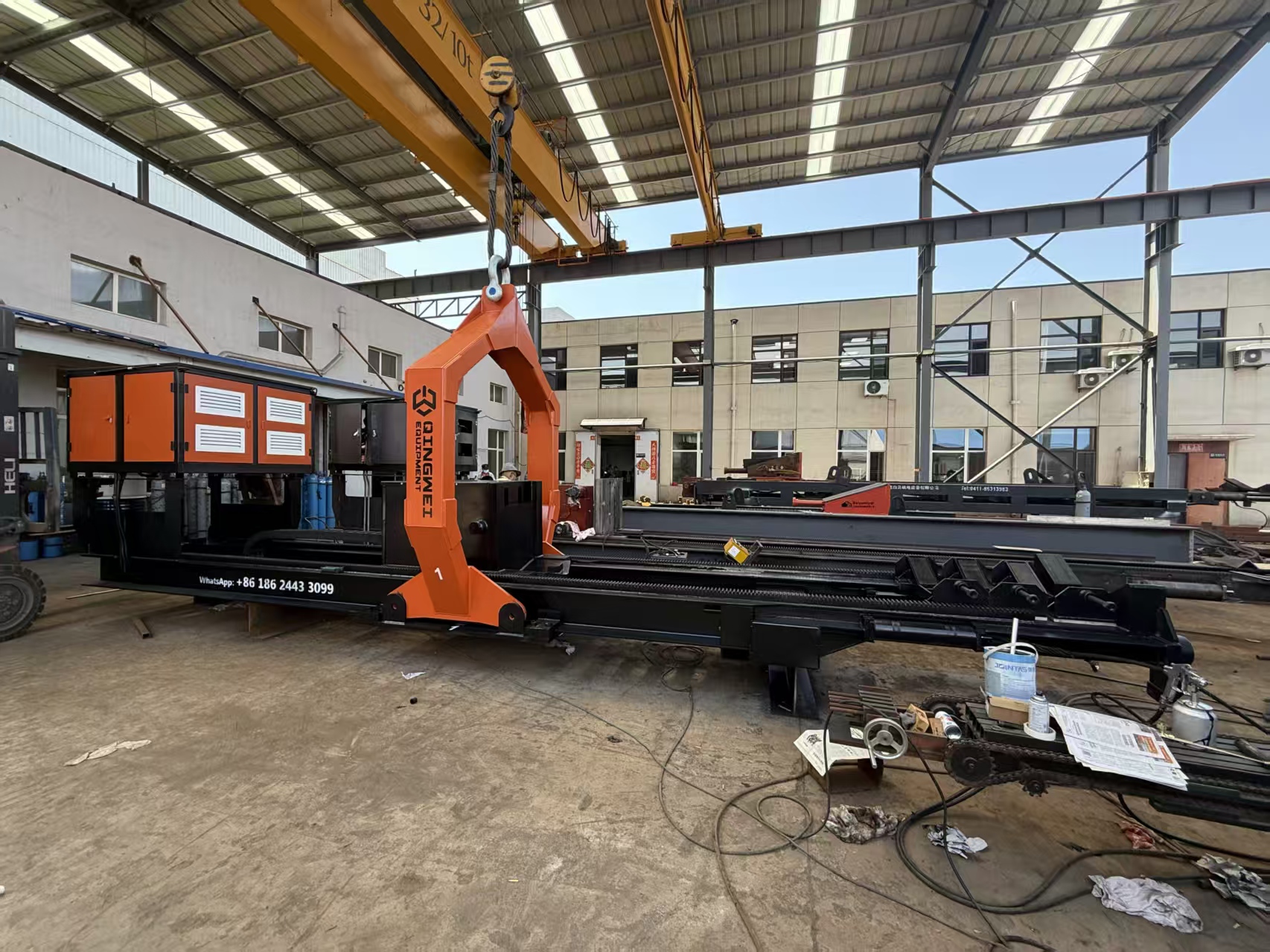
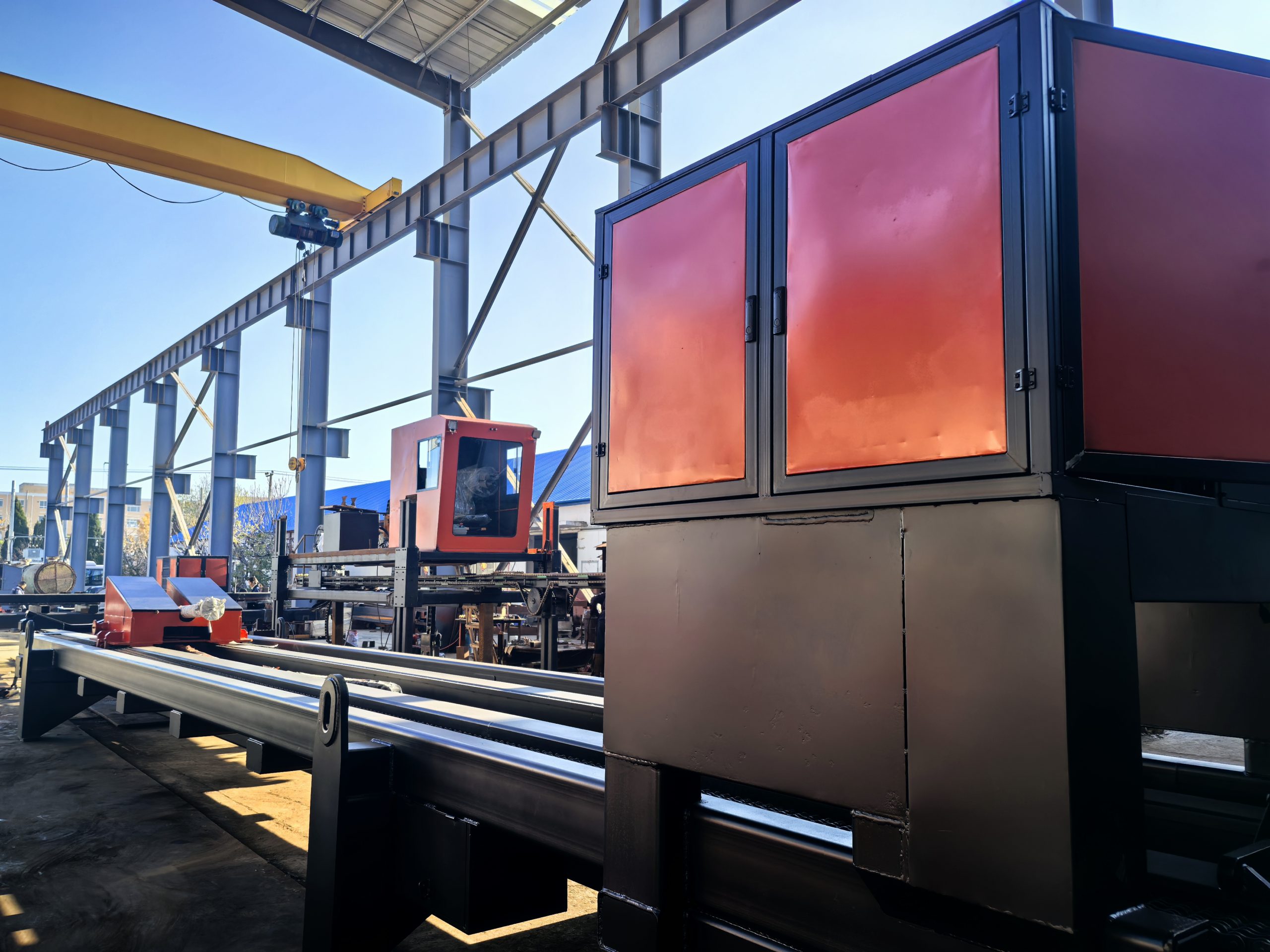
The bundle puller clamping device is a key component to ensure the safe and efficient installation of the tube bundle. Its design and performance analysis are crucial for the safety and working efficiency of the entire equipment. The following is the design and performance analysis of the bundle puller clamping device for the reference of mechanical engineers and researchers:
I. Design requirements
- Reliability: The clamping device must be able to firmly and reliably clamp the tube bundle to prevent it from loosening or falling off during the extraction process.
- Safety and stability: The clamping device should be able to withstand a large load and have sufficient stiffness and strength to avoid deformation or damage during operation and ensure the safety of operators.
- Adaptability: The clamping device should be able to adapt to different sizes and shapes of the tube bundle and be easily adjusted and operated.
- Easy to operate: The operation of the clamping device should be simple and easy to facilitate the operation of the operator.
- Durability: The clamping device should have high durability and corrosion resistance, able to be used for a long time and reduce maintenance costs.
II. Clamping device design
- Structural type:
- o Claw clamping: Use multiple claws to clamp the tube bundle. The structure is simple and suitable for various shapes of the tube bundle.
- o Annular clamping: Use an annular mechanism to clamp the tube bundle. The structure is compact and suitable for circular tube bundles.
- o Hydraulic clamping: Use the pressure generated by the hydraulic cylinder to clamp the tube bundle. The clamping force is large, but the structure is complex.
- o Pneumatic clamping: Use the pressure generated by the cylinder to clamp the tube bundle. The clamping speed is fast, and the structure is relatively simple, suitable for light tube bundles.
- Material selection:
- o High-strength alloy steel: Suitable for clamping devices with high requirements for strength and stiffness.
- o Corrosion-resistant materials: Suitable for clamping devices working in corrosive environments, such as stainless steel or titanium alloys.
- Clamping method:
- o Mechanical clamping: Use bolts or nuts for clamping. The structure is simple, but the clamping force is limited.
- o Hydraulic clamping: Use the pressure generated by the hydraulic cylinder for clamping. The clamping force is large and adjustable.
- o Pneumatic clamping: Use the pressure generated by the cylinder for clamping. The clamping speed is fast and the operation is convenient, but the clamping force is small.
- Positioning mechanism:
- o Use a positioning mechanism with high accuracy, such as a guide rail and slider, to ensure that the clamping device can accurately align with the tube bundle.
III. Performance analysis
- Clamping force analysis:
- o Calculate the required clamping force of the clamping device and select the appropriate clamping mechanism and material based on the calculation results of the clamping force.
- o Perform mechanical analysis on the clamping device, such as finite element analysis, to evaluate the strength, stiffness, and stress distribution of the clamping device.
- Reliability analysis:
- o Analyze the reliability indicators of the clamping device, such as failure rate and mean time between failures, to ensure that the clamping device can work reliably for a long time.
- Safety performance analysis:
- o Conduct safety performance analysis, such as failure mode and effect analysis (FMEA) and risk analysis, to evaluate the safety risks of the clamping device and take measures to reduce the risks.
- Durability analysis:
- o Perform fatigue life analysis to evaluate the fatigue life of the clamping device and ensure that it can withstand long-term working loads.
IV. Optimization design direction
- Lightweight design:
- o Use lightweight materials, such as aluminum alloy, to reduce the weight of the clamping device, improve operating efficiency, and reduce energy consumption.
- Modular design:
- o Adopt a modular design to facilitate assembly and disassembly, and convenient for maintenance and repair.
- Intelligent control:
- o Use sensors and control systems to realize automatic control of the clamping force, improve clamping accuracy and reliability.
- Multi-function design:
- o Adopt a multi-functional clamping device that can adapt to various sizes and shapes of the tube bundle to improve the adaptability and practicability of the equipment.
V. Experimental verification
- Manufacture a prototype for actual testing to verify the design parameters and performance indicators of the clamping device.
- Conduct durability testing to evaluate the service life of the clamping device.
- Conduct safety testing to verify the safety of the clamping device.
Conclusion
The design and performance analysis of the bundle puller clamping device are crucial for the safety and working efficiency of the entire equipment. Mechanical engineers and researchers need to design and analyze according to specific requirements and continuously optimize the design to contribute to improving equipment performance and production efficiency.